Version: 11.0.2 | Release: May 2026 | OS: macOS 12.0+
GraphPad Prism 11.0.2 for Mac
GraphPad Prism is a scientific graphing and statistics app for life sciences—publication-ready charts, guided analyses, and clear results for researchers.
Version 11.0.2 (May 20, 2026) is a patch release with analysis and graphing fixes on the Prism 11 platform.
What Prism does
Graphing & data
- Column, scatter, survival, heat map, and other scientific chart types
- Live data linking between tables and graphs
- Multiple Variables tables for complex datasets without constant restructuring
Statistics & analysis
- t tests, ANOVA, nonlinear regression, survival analysis, contingency tables
- Multifactor ANOVA — one-way through N-way from one data structure (Pro/Enterprise)
- Calculated Variables — Excel-style formulas that update automatically (Pro/Enterprise)
- Expanded effect size reporting for ANOVAs, contingency analyses, and t tests
Workflow
- Reproducible project files and guided analysis steps
- Prism Cloud and integrations such as Dotmatics Luma
What’s new in v11.0.2
- Fixes incomplete constant reporting in Multifactor ANOVA
- Fixes missing Multiple Comparisons in mixed-effects two-way ANOVA when the first row had empty cells
- Fixes disappearing boxes on reversed-axis graphs
- Resolves a Windows installation failure when PowerShell script execution was disabled
Requirements & licensing
System (Mac)
- Version: 11.0.2
- macOS: 10.15 Catalina or later
- Architecture: Universal Binary — Apple Silicon and Intel
- Display: 1024×768 minimum · Disk: ~530 MB
License
- Subscription or perpetual from GraphPad
- Internet required for activation and periodic license verification
- Some Prism 11 features require Pro or Enterprise
Official: GraphPad · Updates
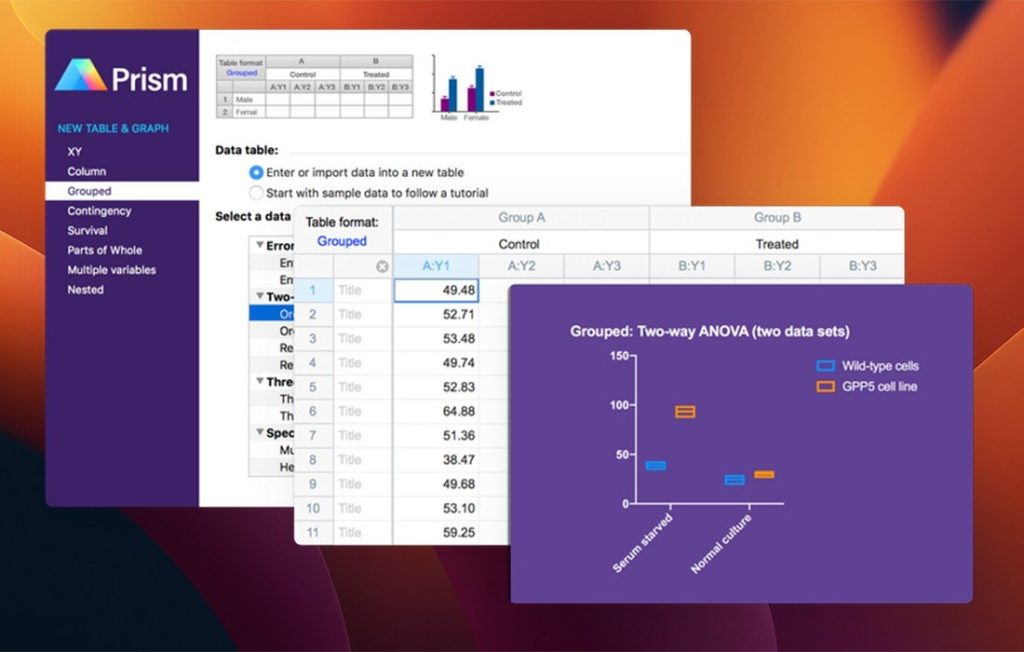
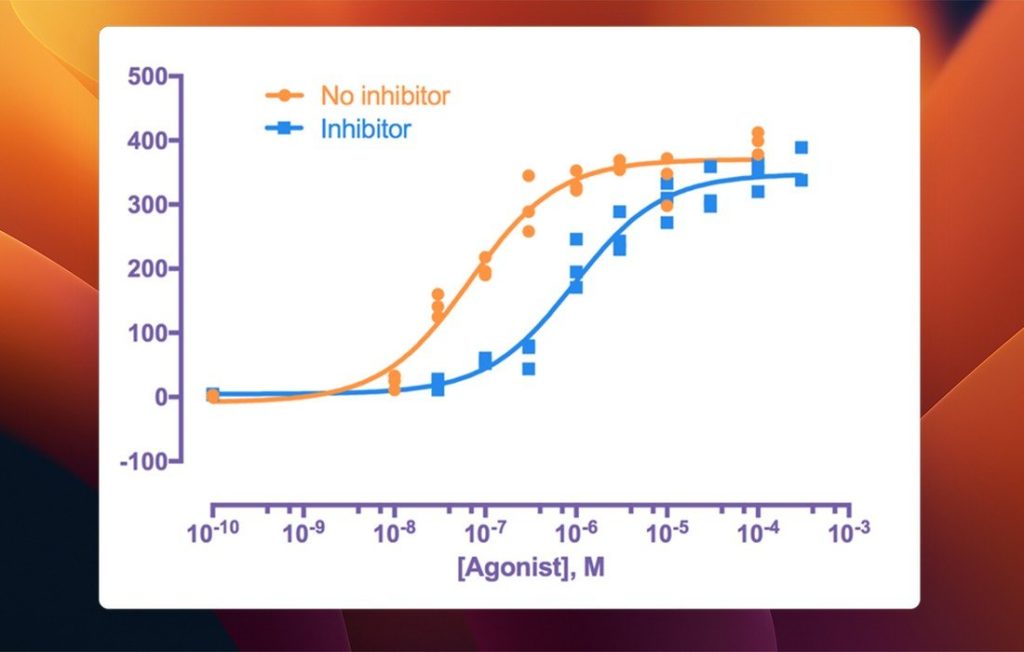
Screenshots
Installation & Troubleshooting FAQ 7 questions
Common issues when installing macOS apps
How do I disable SIP and grant Terminal Full Disk Access?
System Integrity Protection (SIP) shields core macOS files from modification. Some patched apps and installers need SIP disabled temporarily.
Boot into Recovery Mode (hold Cmd+R), open Terminal from Utilities, run csrutil disable and restart.
macOS also blocks Terminal from protected folders until Full Disk Access is granted. Go to System Settings → Privacy & Security → Full Disk Access and toggle Terminal on.
How to disable Gatekeeper and remove quarantine?
Gatekeeper and quarantine can stop modified apps with “damaged” or “unidentified developer” warnings.
To disable Gatekeeper: sudo spctl --master-disable
To remove quarantine from a specific app: xattr -rd com.apple.quarantine /Applications/AppName.app
What to use instead of Launchpad on macOS 26?
Launchpad changed in macOS 26, so opening and organizing apps works differently.
Use Spotlight (Cmd+Space) to search and launch any app instantly. Third-party launchers like Alfred or Raycast are also excellent alternatives. You can also pin frequently used apps directly to your Dock for one-click access.
Why do I see security warnings when opening an app?
“App Not Downloaded from Mac App Store” — macOS blocks the app when security settings only allow App Store downloads. Go to Privacy & Security and permit apps from identified developers.
“Unidentified developer” — apps not registered with Apple trigger this on first launch. Use Control-click → Open to add a one-time security exception.
“Cannot verify for malicious software” — use Open Anyway in Privacy & Security to approve the app once.
What if the app is damaged or disk image is corrupted?
“App is damaged and can’t be opened” — quarantine flags or post-download changes trigger this error. Fix it with: xattr -cr /Applications/AppName.app
“Disk image corrupted” — incomplete or interrupted downloads often cause corrupted DMG errors. Use a download manager with resumable downloads to get a clean installer file.
How to fix Adobe app installation errors?
Adobe Creative Cloud local installers may fail from the GUI — right-click Install, open Contents/MacOS, and run the Unix executable manually to start the setup.
Adobe Error 1 (Rosetta required) appears on Apple Silicon when Rosetta is missing. Install it with: /usr/sbin/softwareupdate --install-rosetta --agree-to-license
CCXProcess install errors mean Creative Cloud cannot run Intel code on Apple Silicon without Rosetta — install Rosetta the same way, then retry.
Why can’t I install this app on an Intel Mac?
Some releases support only Apple Silicon (M1, M2, M3 and newer) and cannot install on Intel Macs due to architecture mismatch.
Look for universal builds or older releases matched to your processor. Tools like Adobe Activation Tool, QiuChenly, or RiD may offer Intel-compatible versions.
